
Lower Elementary (Grades 1-2)
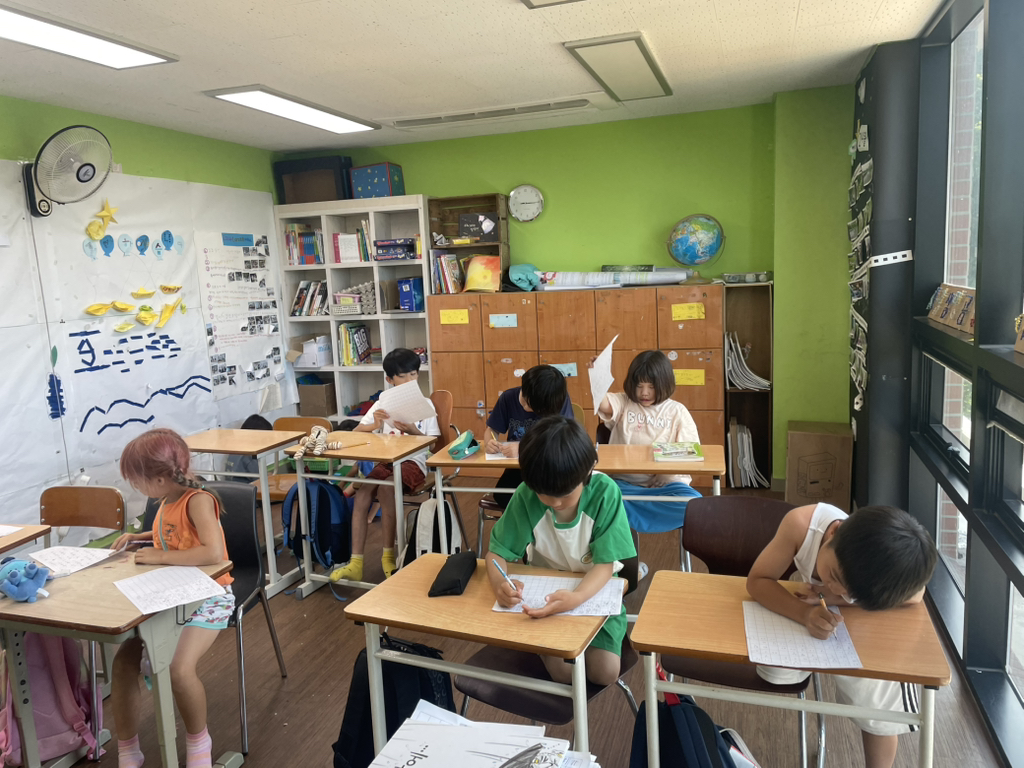
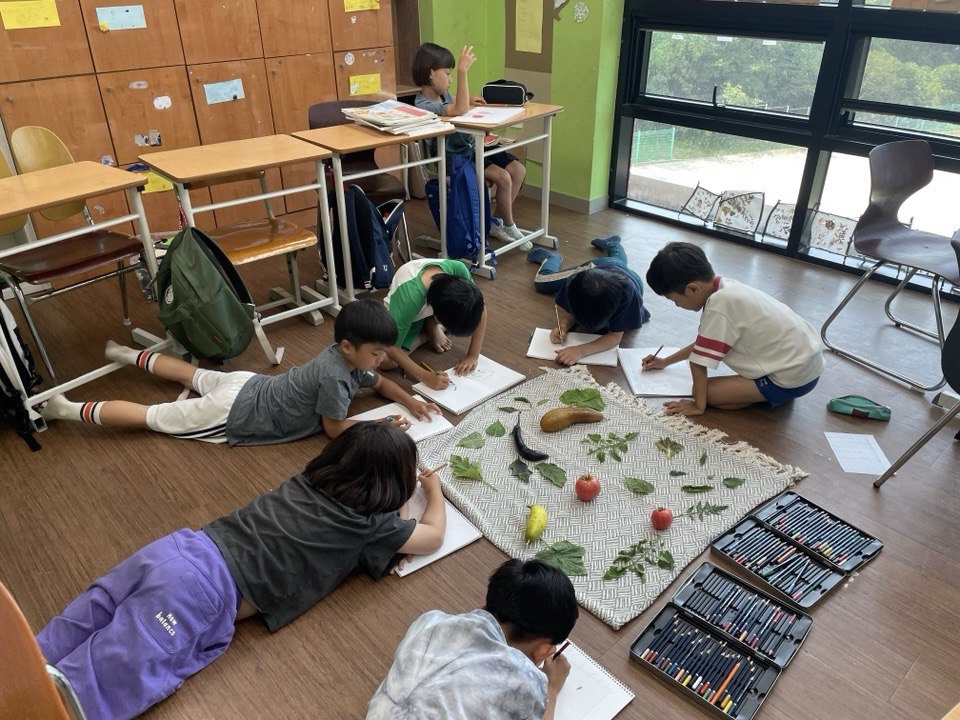
The foundation of learning is built through relationships, daily routines, play, art, and expression. Children learn through practice, awareness, and open-ended activities.
We help children live as active owners of their own lives and the world around them,
respect life and peace,
and build a caring community together.
Learning grows step by step through relationships, daily life, inquiry, reflection, and independence.
The foundation of learning is built through relationships, daily routines, play, art, and expression. Children learn through practice, awareness, and open-ended activities.
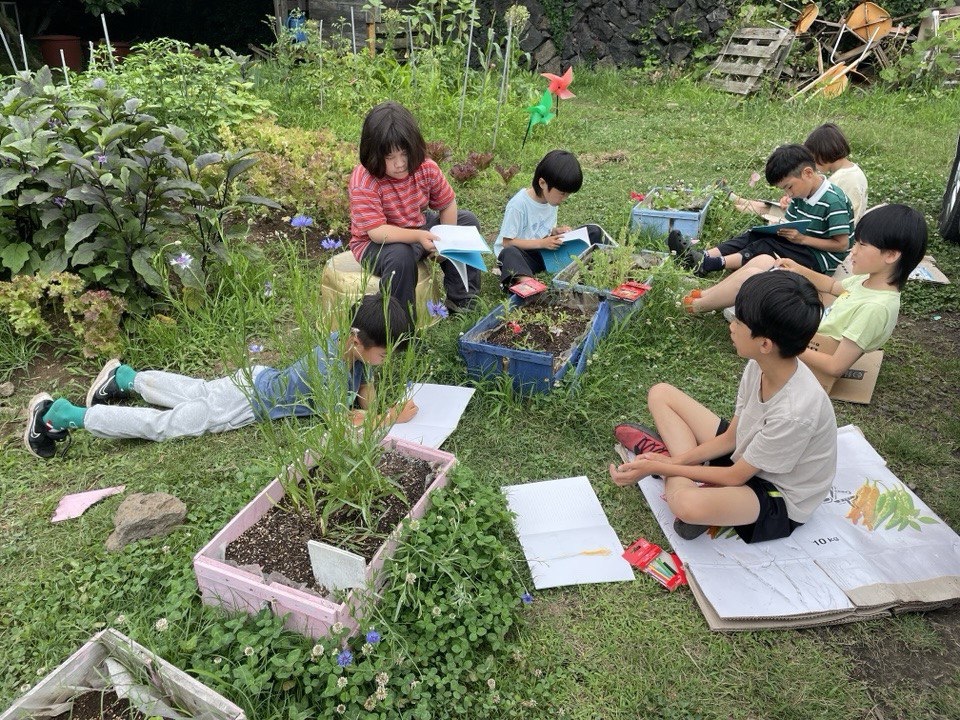
Students move into more structured learning through inquiry. They gradually understand and internalize the educational values of Bomulsum.
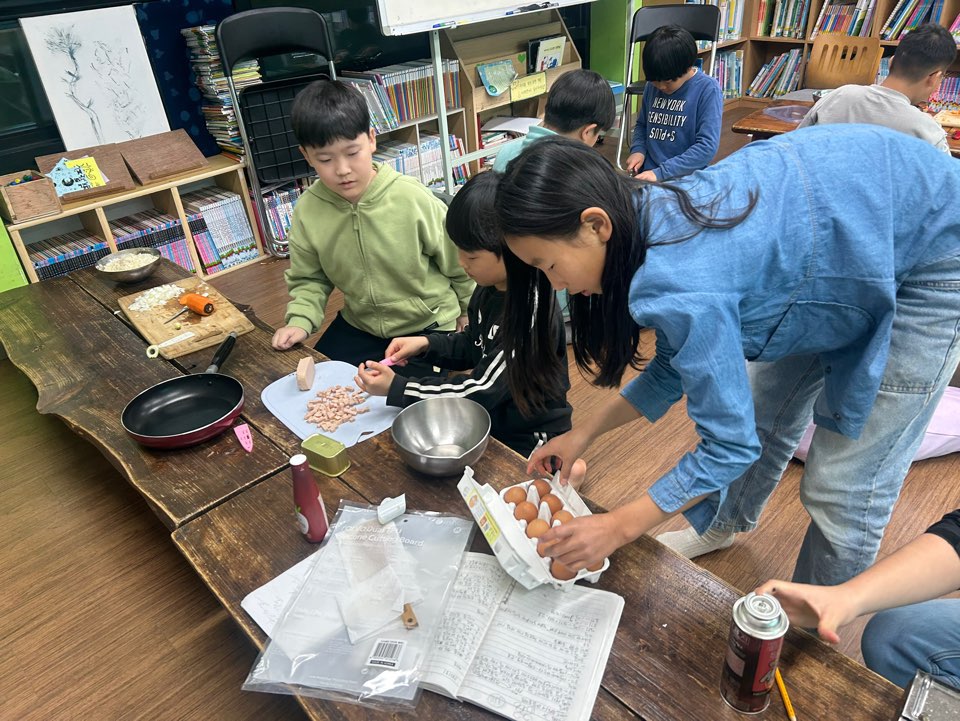
Students learn through cooperation, self-reflection, and taking ownership of their own lives.
Students deepen their understanding of the world through humanities and social sciences, build the strength to participate in society, and develop independence through work, travel, and finding their own path.
Learning beyond textbooks
Bomulsum opens the senses to water, soil, wind, grass, trees, and people. Children grow through relationships with nature and with others.
Bomulsum learns from the past and present to help shape the future. Children learn that personal pain is connected to the pain of others, and that their joy can also become someone else’s joy.
Failure is not just failure. It is an important part of learning. Repeated attempts and patient waiting create real learning. Life grows slowly by nature, so Bomulsum values the process more than quick results.
At Bomulsum, everyone learns and teaches together. We aim to build a learning community where people share joy, difficulty, and growth together.
Come visit and see how students help each other and learn together at Bomulsum.
Admissions InformationLearning areas at Bomulsum School
Includes: opening and closing circles, gardening, play, travel, mobile classes, outings, theme activities, room life, group relationships, cleaning, media use, helper roles, and shared daily agreements.
Basic subjects for understanding the world.
Korean language and writing, beautiful numbers, daily life science
Subjects that help children build values, understand life and the world, and think about what a happy life means.
Philosophy, history, Jeju mythology, the world we live in, theme discussions
Subjects that make life more joyful and rich, and help children express life through art and culture.
Song creation, ocarina, band, music creation, art, woodworking, sewing, theater, pungmul
Subjects that reflect the different interests and needs of teachers and children.
Foreign language learning for wider communication and experience.
Projects help children solve real problems in daily life and learn the attitude of living as the owner of their own lives.
Children’s curiosity and needs are actively reflected in project work.
Through projects, students build a healthy Bomulsum community culture, understand the world, share and connect what they learn, and gradually discover broader truths about life and society.
Students make their own school-life agreements and learn to solve problems that arise in daily life and learning.
Activities: student council meetings, emergency meetings, room groups, barter markets, school newspaper, and club activities.